Your Attic Is Cooking Your House: The Summer 2026 Ventilation and Insulation Fixes That Actually Lower Your Cooling Bill
On a 95-degree afternoon your attic can hit 150. That heat soaks down into your living space and your AC fights it all day. Here is what actually moves the needle.
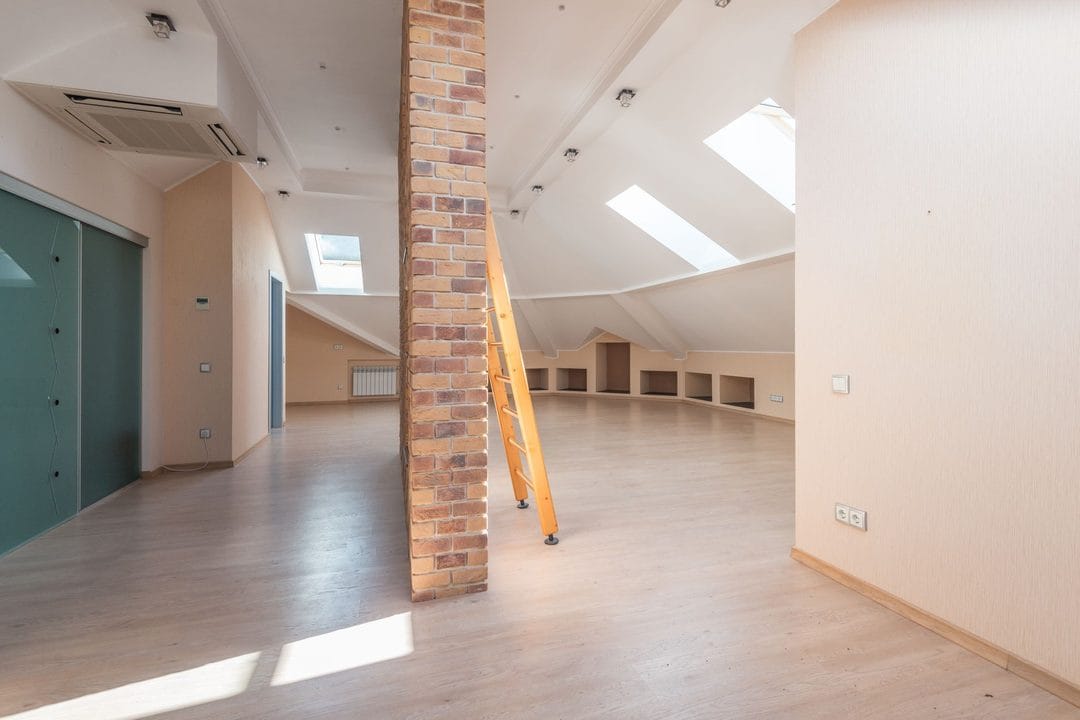
Stand at the top of your attic ladder on a hot July afternoon and you will not want to climb in. Outside it is 95 degrees; up there it is closer to 150. That trapped heat does not just sit there politely. It radiates down through the ceiling into your bedrooms, your AC runs nonstop trying to cancel it out, and your electric bill climbs while the upstairs of the house never quite cools off. The attic is the single most overlooked reason a house is hard to cool, and most of the fixes are cheaper than another summer of a maxed-out air conditioner.
Two things are going on at once, and people confuse them constantly. Ventilation moves the superheated air out of the attic. Insulation keeps whatever heat remains from dropping into the rooms below. You need both, and getting one right while ignoring the other leaves money on the table. The good news is that the diagnosis is something you can do yourself with a flashlight and twenty minutes.
Ventilation: the attic needs to breathe top and bottom
A working attic pulls cool air in low and pushes hot air out high. The low intake comes from soffit vents under your eaves; the high exhaust comes from ridge vents along the peak or gable vents at the ends. The classic mistake is having one without the other. Plenty of homes have ridge vents but the soffit vents got painted shut or buried under insulation decades ago, so there is no fresh air coming in to replace what leaves. The system stalls.
Climb up with a flashlight and look at the eaves. If you see daylight or feel a breeze at the soffits, your intake is open. If the insulation is jammed right up against the roofline blocking those vents, pull it back and drop in a baffle (a foam or cardboard channel, about $2 each at Home Depot) to keep the air path clear. That single afternoon of work often does more than any powered gadget.
Skip the powered attic fan hype
Solar and electric attic fans get sold hard every summer, and they are usually the wrong call. A powered fan that runs faster than your intake vents can supply will pull conditioned air straight out of your living space, through gaps in the ceiling, and dump your AC's work into the attic — you end up paying to cool the outdoors. If your passive soffit-and-ridge setup is open and balanced, you rarely need a fan at all. Spend the money on sealing and insulation instead.
Insulation: this is where the real savings live
Most U.S. attics are underinsulated, especially in homes built before 2000. The Department of Energy recommends roughly R-38 to R-60 for attic insulation in most of the country — that is about 14 to 19 inches of blown-in fiberglass or cellulose. Grab a ruler and measure what you have. If you can see the tops of the ceiling joists peeking through, you are way short, and topping it off is one of the highest-return upgrades in the whole house.
Blowing in an extra layer of cellulose over what is already there is a genuine weekend DIY job. A rental blower runs about $50 to $100 a day at Lowe's, and many stores throw the rental in free if you buy the bags of insulation — figure $400 to $700 in material for an average attic. The catch worth knowing: do not bury recessed can lights unless they are rated IC (insulation contact), and never block the soffit baffles you just cleared. Pile insulation over a non-IC light fixture and you have built yourself a fire hazard.
Air sealing comes before you add a single inch
Here is the step almost everyone skips, and it is the one that makes the rest work. Before adding insulation, seal the holes where warm air leaks between your house and the attic: the gaps around plumbing stacks, the chase where wiring drops down, the hatch you climb through, recessed lights, and the top of interior walls. Insulation slows heat that moves by conduction, but it does nothing to stop air that pours straight through a gap. You can add a foot of fluff and still feel the upstairs run hot if the air is leaking around it.
A can of expanding foam for the big gaps and a tube of caulk for the small ones costs under $30 and is the cheapest comfort upgrade you will make all year. Weatherstrip the attic hatch while you are at it — an uninsulated, unsealed access door is a four-foot hole leaking conditioned air, and almost nobody thinks about it.
What to do this weekend
Start with the flashlight inspection, because it tells you which problem you actually have. Open soffits but a stalled, baking attic usually means blocked intake or missing exhaust. Thin insulation with joists showing means you are losing cooled air through the ceiling. Most older homes need a little of everything: clear the soffit baffles, seal the obvious leaks, then top off the insulation to R-49 or better.
Do it before the worst of the August heat lands and you will feel the difference in the upstairs bedrooms within a day — the AC cycles off instead of grinding through the afternoon, and the rooms that never cooled finally do. The attic does its job quietly when it is set up right, which is exactly why nobody thinks about it until the power bill shows up.