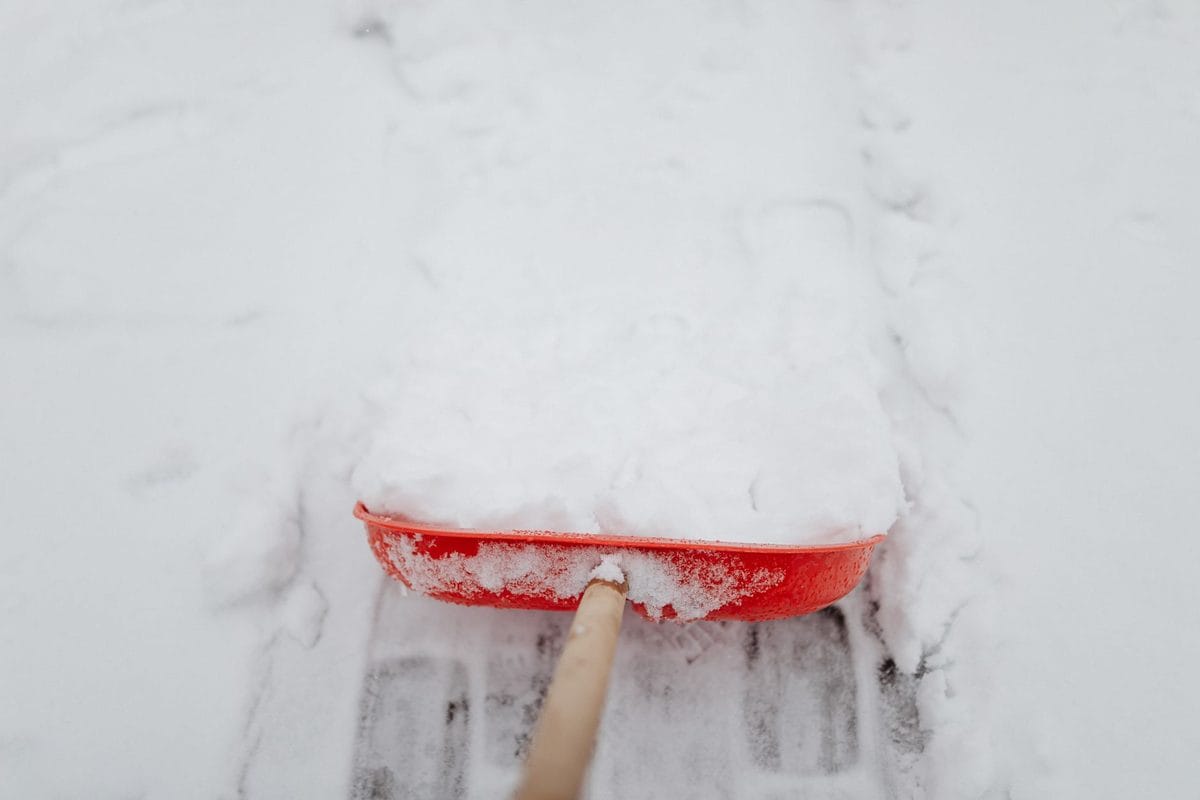
Picture the first real snowfall of the season. The driveway is white, the neighbor already has a bag of ice melt split open on his front steps, and you are standing in the garage holding a jug of rock salt that has sat on the shelf since 2019. Most of us grab whatever is within reach. That is the wrong order. The product you pick decides whether your concrete, your dog's paws and the edge of your lawn make it through February in one piece.
Why the chemical matters more than the brand
Every ice melt works the same basic way: the salt dissolves into the thin film of water on the surface and lowers its freezing point, so the ice loosens and can be shoveled off. The differences are which chemical does the work, how cold it still works, and what it leaves behind on the concrete and the grass. Sodium chloride, which is plain rock salt, is the cheapest and the bluntest. It stops working somewhere around 15°F of pavement temperature, and it is the product most likely to flake the surface of concrete and burn the lawn along the edges.
Calcium chloride and magnesium chloride keep working in much colder weather, roughly down to -20°F and -13°F respectively, according to the figures most product guides and extension-style sources cite. Both are chlorides, though, and both can etch concrete and corrode metal if you overapply them. Calcium magnesium acetate, usually written CMA, takes a different route. It is the gentlest option for concrete and plants, but it only works down to about 20°F and acts more slowly. Figures vary between sources, so treat every temperature on a bag or a website as a rough floor, not a guarantee.
The first-winter rule for new concrete
If the driveway, steps or patio was poured this year, keep salt off it through its first winter. Concrete keeps gaining strength and losing moisture for months after the pour. A slab that is still saturated inside its pores has no room for ice to expand into, and that is where the surface scaling starts. Most concrete contractors give the same advice and suggest sand for traction until spring.
Sand does not melt anything, which is its whole point. It also cannot damage a fresh slab, and you can sweep it up in April without a second thought. Some homeowners find this inconvenient the first time they are stuck on a sloped driveway. It is still the right call for a surface that cost several thousand dollars and cannot be patched invisibly.
Timing the first season matters too. A slab poured in late October has only a few weeks of curing before the first hard freeze, so the surface is at its weakest exactly when the first storm arrives. A slab poured in April has had the summer to harden, but its first real test still comes the following winter. Either way, the calendar on the concrete contractor's invoice is the start of the clock, not the first snowfall. Ask the installer for the date the slab was finished and write it on the garage wall if you have to.
Once the first winter is over, the rule loosens but does not disappear. Apply ice melt sparingly on a slab that has been sealed, and check the surface each spring for fine flaking or pitting near the edges, where runoff pools and evaporates. A small patch of scaling caught in April is a cheap repair with a concrete resurfacer. Left alone through another winter, it becomes a broken panel.
Ammonium-based deicers belong in a separate category. Products built on ammonium sulfate or ammonium nitrate, some of which are sold near the lawn fertilizer, should stay off concrete at any age. The concrete does not need to be new for that warning to apply.
What to buy, by the temperature you actually get
The table below is the short version. The working ranges are approximate, and they are pavement readings, not the number on the weather app.
| Product | Works down to (approx.) | On concrete | On lawn and pets |
|---|---|---|---|
| Sodium chloride (rock salt) | About 15°F | Harshest; causes scaling, especially on new or unsealed slabs | Burns grass edges; irritates paws and mouths |
| Calcium magnesium acetate (CMA) | About 20°F | Gentlest option; slower to act | Lowest impact on plants; the usual pick for pets |
| Magnesium chloride | About -13°F | Milder than rock salt, but still a chloride | Less plant damage than rock salt; still irritates paws |
| Calcium chloride | About -20°F to -25°F | Can etch the surface if overapplied; corrosive to metal | Use sparingly near plants and pet paths |
My recommendation for most driveways and front walks is CMA for everyday use, with a single bag of magnesium chloride or calcium chloride kept for the nights when the temperature drops below CMA's floor and the surface glazes over. Skip rock salt for anything you care about. It is cheap for a reason, and the cost shows up later as a resurfacing bill.
The catch is that CMA is weak exactly when you need it most. On a night that falls to 5°F and leaves a glaze on the sidewalk, no amount of patience will get it to work, and a bag of chloride is the honest choice. Use the smallest amount that breaks the bond between the ice and the surface, then sweep the residue off the slab in the morning instead of letting it sit.
Read the back of the bag before you open it. The label lists the active ingredient, and that is the only reliable way to know whether you are holding a chloride, an acetate or rock salt, because marketing names like "pet-safe" or "concrete-friendly" are not standardized. If the label does not name the chemical, put the bag back. Many store-brand blends are rock salt with a color or a fragrance added, and the price tag is the only thing that distinguishes them from the plain product.
Storage matters as much as selection. A bag that has been open in a damp garage for a month will clump, and the clumps are where people end up over-applying. Roll the top closed, put the bag in a plastic bin with a lid, and keep the bin off the concrete floor, where condensation collects. The same bin can hold the snow shovel's scraper and the pet towel, so the whole winter kit lives in one place by the door.
Spread it thin and clean up after it
Ice melt is the one winter product where more is not better. A thick pile does not melt ice faster; it leaves undissolved granules that sit on the concrete and keep pulling moisture into the surface after the thaw. Spread the product lightly enough that you can still see the surface between granules, and wait for the ice to soften before you shovel.
Keep the bags sealed and off the garage floor. Moisture gets into an open bag and turns it into a solid block that is hard to spread evenly, so people tend to over-apply the clumps they chip off. A lidded bin on a shelf does the job.
Pets are the part most owners underestimate. Any chloride can irritate paw pads and the mouth, and a dog that licks its feet after a walk on treated concrete is taking in more than you would expect. Wipe paws with a damp towel when you come inside, and keep the dog on the cleared path rather than the freshly salted steps.
Store the rock salt with the Christmas tree stand
Once you have a bag of CMA for the front walk and one bag of chloride for the glazed nights, the rock salt has no job left. Put it in the basement or on a high shelf, and use the money you save to get the driveway sealed next fall, since a penetrating silane or siloxane sealer reduces how much salt solution soaks into the slab. It cuts the damage rather than eliminating it, but on a surface you plan to keep for twenty years, that reduction is worth the one afternoon.