Fire Prevention Week 2026: How to Build a Safer Battery Charging Corner in Your Garage
Fire Prevention Week runs Oct. 4-10, and this year's theme is safe charging. Federal data shows 53 percent of micromobility battery incidents happened while the product was plugged in, so here is how to set up a safer charging spot for tool, mower and e-bike batteries.
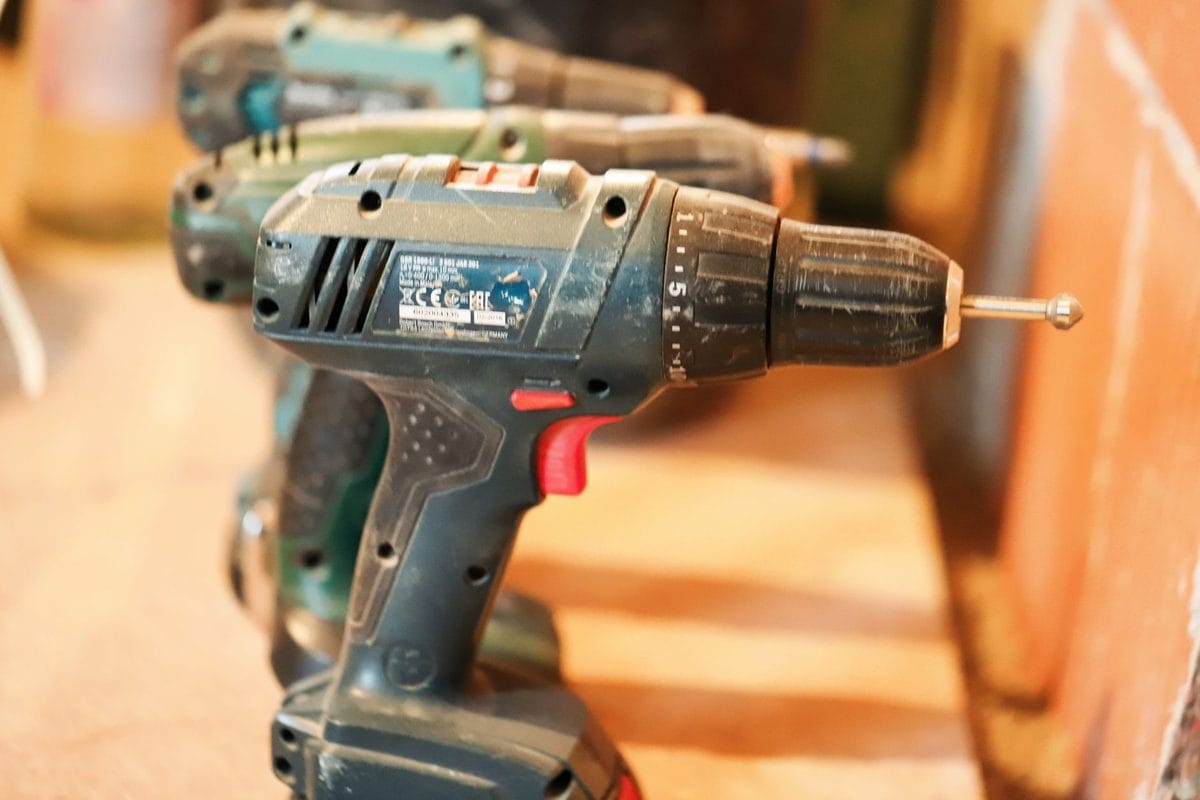
Picture the charging corner of a typical American garage: two or three drill and mower chargers blinking on a workbench, an e-bike charger running off a power strip, and a spare leaf blower battery parked next to a can of paint thinner. Nothing about that scene looks like an emergency, which is exactly why the habits around it deserve a second look. Fire Prevention Week starts tomorrow, Sunday, Oct. 4, and for the second year in a row the National Fire Protection Association (NFPA) has built the campaign around lithium-ion batteries. The 2026 theme, "Charge Into Fire Safety: Safe Charging Is a Superpower," is aimed at the moment the cord goes into the wall.
What the federal incident data says about charging
The clearest numbers come from the Consumer Product Safety Commission's proposed rule on micromobility batteries, published in the Federal Register on June 24, 2026. For 2019 through 2023, the agency counted 227 incidents involving fires, explosions, gas releases, burns, overheating and smoke inhalation in e-bikes, e-scooters, hoverboards and similar products, and 90 of those incidents were tied to 39 deaths and 181 injuries. In 120 of the 227 incidents, or 53 percent, the product was plugged in and charging, and that group includes 18 of the 39 deaths. Another 23 incidents involved a battery that was simply stored or sitting idle when it caught fire, with four deaths and 36 non-fatal injuries. A further 25 involved someone swapping a battery pack or using an aftermarket battery or charger, which accounted for two deaths and 12 injuries. Charging is the largest single slice, and it is the one you control.
Two caveats keep the numbers in proportion. First, they describe micromobility products rather than the 18-volt drill battery on your bench, though the chemistry is the same and NFPA's charging advice covers power tools, e-bikes and phones alike. Second, fire is the smaller share of the harm: CPSC's April 2026 report counts 533 micromobility deaths from 2017 through 2024, and the battery-fire deaths among e-scooters, hoverboards and e-bikes add up to 45 of them. Crashes are the bigger killer. Battery fires are rarer, but they start in your own garage or hallway, where your habits decide the odds.
NFPA's 2026 charging rules, applied to a garage
NFPA's campaign page lists six charging habits, one of them meant for airplane seats, and the other five translate directly to a workbench. None of them requires buying anything, which makes them easy to skip.
- Use the charger that came with the battery. NFPA's wording is "Cheap charger? Don't chance it," which rules out the unbranded charger that fits your e-bike only because the plug happens to match.
- Charge on a hard, flat surface such as a table, a bench or bare floor, and never on a drop cloth, a car seat or the couch.
- Unplug the battery once it reads full, even when you plan to grab the same pack tomorrow morning.
- Charge large items such as e-bikes, scooters and power tools outside when possible, and do not block an exit while they charge.
- Heat, swelling, a strange smell, a leak, smoke, or popping and hissing sounds, among other signs, mean the battery is done.
Add one habit of our own: charge while you are home and awake. Consumer Reports, drawing on guidance from UL Research Institutes, advises against charging an e-bike overnight, and the same logic holds for any big pack.
Build the charging corner
Pick the spot before you buy anything.
NFPA's battery FAQ is more specific about location: the safest place to charge e-bikes, e-scooters and electric vehicles is outdoors, away from any structure and out of direct sunlight, and batteries should never be stored where they block the only exit from a room. Adam Barowy, a principal research engineer at UL Research Institutes, told Consumer Reports that larger batteries should charge away from your exit path "so that if something does go wrong, they can get out quickly." For most households the attached garage is the realistic compromise. Put the corner on the wall farthest from both the door into the house and the vehicle door, so neither route runs past a charging battery.
Outdoors has a catch, though. Milwaukee's manual for its M12/M18 charger says not to charge battery packs in rain, snow, damp or wet locations, and to charge in a well-ventilated area with the charger vents unblocked. In practice that points to a covered, dry spot such as a detached garage rather than the patio. Cold is its own wrinkle as the weather turns: the same charger flashes red when a pack is too hot or too cold and waits until the pack is back in range, so let a chilled battery warm up on its own, not under a heat gun or beside a space heater.
Our pick for the surface is a steel shelf or the bare concrete floor, with the cardboard, rags, solvents, gas cans and mulch bags moved to the other side of the garage. Plug each large charger straight into a wall outlet instead of a stacked power strip, and keep the charger's vents clear. If you cannot manage any of that, the fallback is simple: charge in the open, on a hard surface, where you can see it.
Put the right alarm in the garage
A standard smoke alarm is the wrong device for this room. The U.S. Fire Administration says smoke alarms are not designed for garages because swings in temperature and humidity, dust, fumes and insects can set them off, and it recommends a heat alarm instead. Its buying advice is specific. Choose a hard-wired model with battery backup that can interconnect with the smoke alarms in the house, so they all sound together, and make sure it is rated for 175 to 250 degrees Fahrenheit. A lower rating can trip when a garage climbs past 100 degrees, while a higher one may sound too late. Have a qualified electrician install it, and keep it away from fluorescent lights, whose electrical noise and flicker can interfere with the alarm.
Inside the house, check the basics on the same afternoon. NFPA wants alarms inside every sleeping room, outside each sleeping area and on every level, basement included, tested monthly, with the whole unit replaced 10 years after its manufacture date. Roughly three out of five fire deaths happen in homes with no smoke alarms or none that work, and a household may have as little as two minutes to get out.
Skip the fireproof battery bag
Search for an e-bike battery bag and you will find a long row of fireproof pouches. Consumer Reports phoned more than three dozen bike stores and consulted outside experts, and the consensus was that these bags generally lack safety certification from a nationally recognized testing laboratory. CR also found that some are too small for common e-bike batteries, and an engineer from the University of Warwick's Warwick Manufacturing Group said he doubted a bag of reasonable size could hold a battery in thermal runaway. Heavy-duty fire blankets are a partial answer at best, since UL research cited by CR found they can control flaming without stopping thermal runaway. Spend the money on the garage heat alarm and a better location instead. If a battery does ignite, the advice from CR's fire extinguisher tester is to evacuate and call 911, not to fight it.
Storing, retiring and recycling the batteries
October is when mower, trimmer and hedge-cutter batteries go into storage, and the manufacturers' instructions are less uniform than the confident advice online. Milwaukee says to store packs at room temperature, away from moisture, and never where temperatures can pass 120 degrees Fahrenheit, such as direct sunlight, a parked vehicle or a metal building in summer; it adds that a pack kept in storage should be charged as normal after about a year. DeWalt's rule is to take the battery out of the tool and charge it fully before storing it longer than six months. Some third-party guides recommend leaving packs at 40 to 60 percent, a figure that does not appear in the DeWalt or Milwaukee instructions quoted here, so follow the manual for your brand over a rule of thumb. NFPA adds that batteries do not belong in extremely hot or cold locations, and in much of the country that includes an unheated shed in January as much as a car trunk in July.
A pack that has swollen, cracked, leaked or run hot is finished. DeWalt says not to use batteries with visible damage or cracks and not to attempt repairs, and NFPA says lithium-ion batteries should never go into household trash or recycling bins because they can cause fires during transport and at landfills and recyclers. For a damaged pack, NFPA points you to the local fire department, the local waste department or the manufacturer for handling instructions.
A healthy but worn-out pack has an easier exit. Home Depot keeps a recycling station at the entrance of its stores that takes rechargeable batteries up to 11 pounds and under 300 watt-hours at no charge; they must be non-leaking, and the store supplies the bags. Consumer Reports also names Best Buy and Lowe's as drop-off options, and The Battery Network (formerly Call2Recycle) runs a ZIP-code locator that shows which sites take e-bike batteries or anything over 300 watt-hours. Milwaukee's manual says to cover the terminals with electrical tape before disposal, since even a discharged pack holds some energy.
Buy with a lab mark, then check the recall list
NFPA's advice for shoppers is to buy only batteries listed by a nationally recognized testing laboratory and labeled accordingly. For e-mobility that points to UL 2849 for e-bikes, UL 2272 for e-scooters and similar products, and UL 2271 for replacement battery packs, the same three standards the CPSC wants to make mandatory, with added requirements, in its June proposal. Public comments closed on Aug. 24, 2026, and the rule is still a proposal, so the lab mark remains voluntary and reading the label yourself matters. A mark is not a guarantee either: in November 2025 the CPSC warned owners to immediately stop using certain Rad Power Bikes e-bike batteries because of a fire hazard. Search your brand and model on cpsc.gov once a season, and again before you buy a used battery.
If you have ten minutes before Fire Prevention Week starts, skip the shopping list. Carry the e-bike charger out of the front hallway, plug it in on the far wall of the garage with nothing flammable within reach, and unplug it when the light says full.