Fall Lawn Overseeding: Why the Transition Zone's Window Opens in Late August, Not September
Homeowners from Kansas to Virginia have a narrower fall seeding window than most lawn-care advice admits — and late August is already inside it.
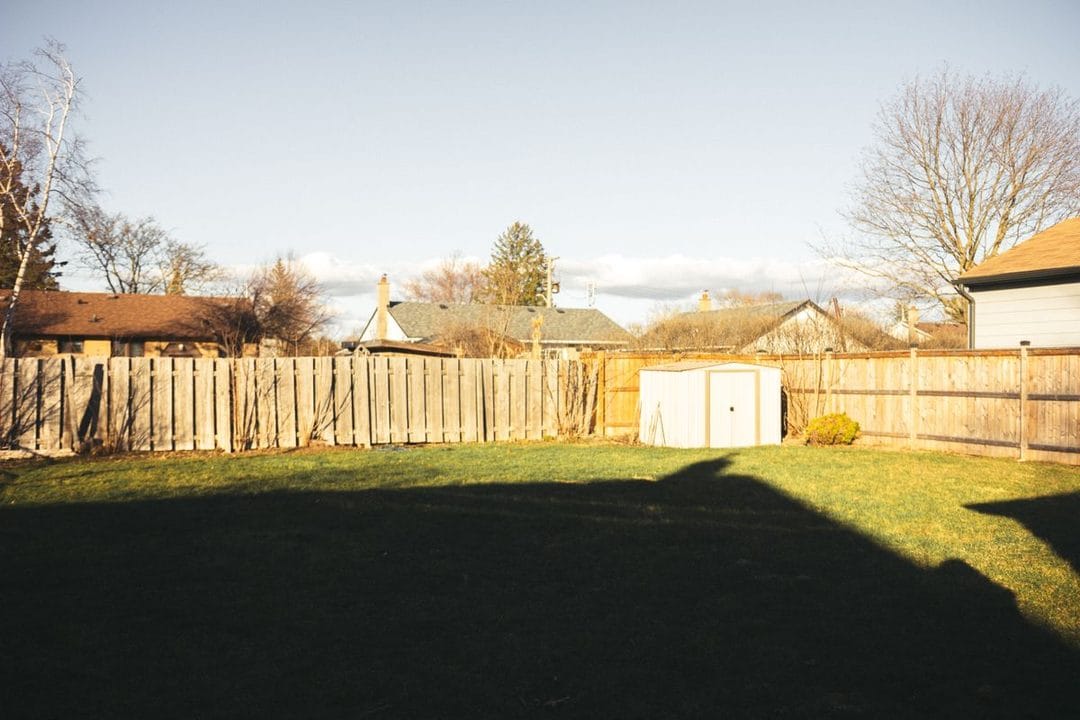
Drive through any subdivision from Wichita to Richmond in late August and you'll see the same two lawns side by side: one thick and green heading into fall, the other thinning out in patches that never quite filled back in after July. The difference usually isn't luck, and it isn't a fancier mower. It's whether the owner got grass seed into the ground before the soil cooled past the point where cool-season roots can grab hold before winter.
That window is shorter than most bag-of-seed instructions let on. Cool-season grasses — tall fescue, Kentucky bluegrass, perennial ryegrass — germinate best when soil temperature sits between 50 and 65 degrees Fahrenheit, which in the transition zone (the band running roughly from eastern Kansas and Missouri through Kentucky, Tennessee and into Virginia) means mid-August through mid-September. Wait until the leaves start turning and the seed still sprouts, but the young grass doesn't have enough weeks of root growth left before frost to survive its first real cold snap.
Why the calendar matters more than the weather forecast
Homeowners tend to time seeding by how the weather feels, not by what's happening six inches underground. That's the mistake. Air temperature in late August can still hit 90 degrees in Kansas City or Louisville, which makes seeding feel premature — but soil temperature at a two-inch depth is usually already tracking toward the 65-degree mark by the last week of the month, especially after any rain. A four-dollar soil thermometer from a hardware store settles the argument faster than the ten-day forecast does. Push it into the top inch of a shaded patch of dirt in the early morning, before the sun has had a chance to skew the reading, and check it again after any rain that drops the temperature further. Wait instead for the first cool morning that "feels like fall," and the calendar has already cost two to three weeks of root development — the single biggest predictor of whether new grass survives its first winter.
What "transition zone" actually means for your grass choice
So what happens if you're not sure whether you're in it? The transition zone isn't a strict line on a map; it's the stretch of the country too far south for Kentucky bluegrass to thrive on its own and too far north for warm-season grasses like Bermuda or zoysia to stay green in winter. Homeowners in this band end up choosing the least-bad option rather than the ideal one, and tall fescue is usually that option. Turf-type tall fescue tolerates both summer heat and winter cold better than bluegrass, and it handles the region's unpredictable rainfall — heavy in spring, dry by August — without going fully dormant. Neighborhoods that switched to warm-season Bermuda or zoysia lawns in the 2010s, chasing lower water bills, are often the ones now dealing with four months of straw-brown turf every winter, which is exactly the tradeoff a transition-zone homeowner needs to weigh before choosing a grass type at all. County extension offices post transition-zone maps online, and the boundary shifts slightly by county rather than following state lines cleanly.
Buy the tall fescue blend, not pure Kentucky bluegrass, if your county extension office lists your address inside the transition zone. Bluegrass alone struggles through the region's July heat two years out of three, and reseeding a failed lawn every other summer costs more than getting the seed choice right the first time. Blends that mix 90 percent turf-type tall fescue with a small percentage of Kentucky bluegrass — Pennington Smart Seed and Scotts Turf Builder both sell this ratio — give you fescue's toughness with bluegrass's self-repairing rhizomes filling in bare spots later.
Reading your soil before you buy a single seed bag
A ten-dollar soil test tells you more than a decade of guessing.
Most state university extension offices — Kansas State, University of Missouri, University of Kentucky — will test a soil sample for somewhere between eight and twenty dollars and mail back pH and nutrient levels within two weeks, which still leaves time to act before the seeding window closes if you send it in by the first week of August. Cool-season grass wants a pH between 6.0 and 7.0; anything lower and the grass can't access the nitrogen you're about to feed it no matter how much fertilizer goes down. Skipping the test and seeding straight into acidic soil is the most common reason a homeowner does everything else right and still ends up with thin, yellowing grass by October.
Starter fertilizer — and the phosphorus rule most bags ignore
Skip the all-purpose 10-10-10 bag sitting on the shelf next to the grass seed. New seedlings need phosphorus for root development in a way established lawns don't, which is why a dedicated starter formula — something in the 24-25-4 range, like Scotts Turf Builder Starter Food for New Grass — outperforms general lawn fertilizer for this specific job. A 15,000-square-foot bag runs $25 to $40 at most hardware stores, and one application at seeding is enough; more isn't better here.
Here's the part most seed-bag instructions leave out entirely: a number of states, including Minnesota, Wisconsin, New Jersey and Michigan, restrict or ban phosphorus fertilizer for established lawns by law, with an exception carved out specifically for new seeding and soil-test-documented deficiency. If your state is on that list, keep the soil test result and the starter fertilizer label on hand — it's the documentation that proves the exemption applies. Checking your state department of agriculture's website before buying takes five minutes and avoids using a fertilizer that's simply not legal to spread on an established lawn in that state, exemption or not.
The watering schedule that actually establishes roots
Grass seed that dries out even once during germination is grass seed that has to start over, and this is where most fall overseeding projects actually fail — not from bad timing, but from a watering can that gets forgotten after the first excited week. The seed bed needs to stay consistently moist, not soaked, for the first ten to fourteen days: light watering once or twice a day, five to ten minutes per zone, enough to keep the top half-inch of soil dark and damp without pooling.
Once germination is visible — usually seven to ten days for perennial ryegrass, ten to fourteen for tall fescue, and closer to three weeks for Kentucky bluegrass, which is notoriously slow off the mark — the schedule changes. Cut back to watering every other day for two weeks, then once every three days as the root system pushes deeper, tapering toward a normal once-a-week deep soak by late October. Watering too long on the old daily schedule after germination actually works against the grass: shallow, frequent watering trains roots to stay near the surface instead of growing down, and a lawn with shallow roots is the one that browns first during next summer's dry stretch.
What this costs, realistically
For a quarter-acre lot, budget for the essentials rather than the upsells:
- A 7-pound bag of Pennington Smart Seed or Scotts Turf Builder tall fescue blend covers roughly 1,750 square feet and runs $35 to $55, so most quarter-acre lawns need two to three bags
- Starter fertilizer, one 15,000-square-foot bag, $25 to $40
- A soil test through your local extension office, $8 to $20, and worth doing even if you're seeding the same yard you seeded last fall
- Renting or borrowing a core aerator ahead of seeding, which most hardware stores rent by the half-day for $50 to $75, and this step matters more on clay-heavy soil than on sandy loam
All told, a homeowner doing the work themselves is usually into a quarter-acre reseed for $150 to $250 total, spread across seed, fertilizer, soil testing and aerator rental. Hiring a lawn-care company to overseed the same lot typically runs $300 to $600, largely for labor and equipment rather than materials — worth it if you don't own or want to rent an aerator, less worth it if you're comfortable with a Saturday afternoon of yard work.
None of this works if it starts in October instead of August. The soil doesn't wait for a homeowner's schedule to catch up, and the transition zone doesn't get a second real seeding window until next fall.