CPSC and NFPA Urge Furnace Inspections, Carbon Monoxide Checks Before First Cold Snap
Federal safety officials are renewing seasonal guidance on furnace tune-ups and carbon monoxide detector checks as the first cold fronts approach and idle heating systems switch back on.
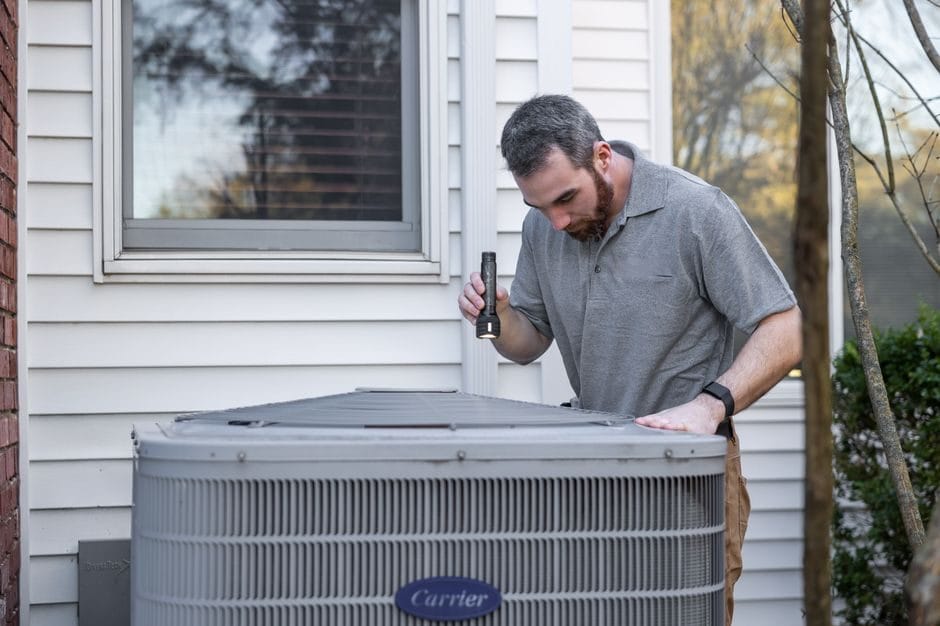
The Consumer Product Safety Commission and the National Fire Protection Association are repeating annual guidance on furnace inspections and carbon monoxide detector checks as forecasters flag the season's first cold fronts moving into the northern United States over the coming weeks. Between late August and the first hard freeze, heating systems that sat idle since spring get switched back on without a professional look, a pattern both agencies list as the highest-risk window of the year for mechanical faults to surface undetected.
Carbon monoxide exposure tied to home heating equipment sends more than 100,000 people to emergency rooms in the United States each year, according to figures the Centers for Disease Control and Prevention has published in its ongoing CO poisoning surveillance data, with the sharpest spike between October and February. Furnaces, water heaters, and portable generators used during power outages account for most of the incidents CDC has tracked.
Furnace Tune-Ups Ahead of the Season
HVAC trade groups, including the Air Conditioning Contractors of America, recommend a professional furnace inspection once a year, ideally before the first cold snap rather than after a system fails to start. A standard tune-up — checking the heat exchanger for cracks, testing gas pressure, and clearing the flue — typically runs $75 to $200, based on pricing ranges Angi and HomeAdvisor publish for HVAC service calls, with older units or ductwork repairs pushing costs higher.
Filter changes are part of routine maintenance specified by furnace manufacturers Trane, Carrier, and Rheem, since a clogged filter restricts airflow and forces the system to run longer to reach the same temperature. Standard one-inch filters sold at Home Depot and Lowe's run $15 to $30 for a multi-pack and are rated for 60 to 90 days under normal use, though homes with pets or forced-air systems running near-continuously in winter often need a monthly swap.
Detector Placement Rules Vary by State
NFPA 72, the fire alarm and signaling code many state building departments adopt directly, calls for a carbon monoxide detector on every level of a home and within roughly 15 feet of each sleeping area. Battery and plug-in units from Kidde and First Alert are sold at Home Depot and Lowe's in the $20 to $50 range, and both manufacturers list a service life of five to ten years printed on the unit itself — a detail safety officials say homeowners frequently overlook when a unit is inherited with the house rather than purchased new.
State requirements differ on where detectors are mandatory: some codes apply only to newly built or resold homes, while others, including several adopted after fatal poisoning incidents in rental units, extend the requirement to all occupied dwellings regardless of age. Local fire departments in several jurisdictions have offered free detector checks during the same late-summer window that HVAC contractors report as their busiest for pre-season tune-up calls.