Home Insurers Tighten Coverage as Atlantic Hurricane Season Reaches Its Most Active Stretch
Homeowners in coastal and wildfire-prone states are reporting more non-renewal notices and steeper premiums as the Atlantic hurricane season moves into its climatologically busiest stretch.
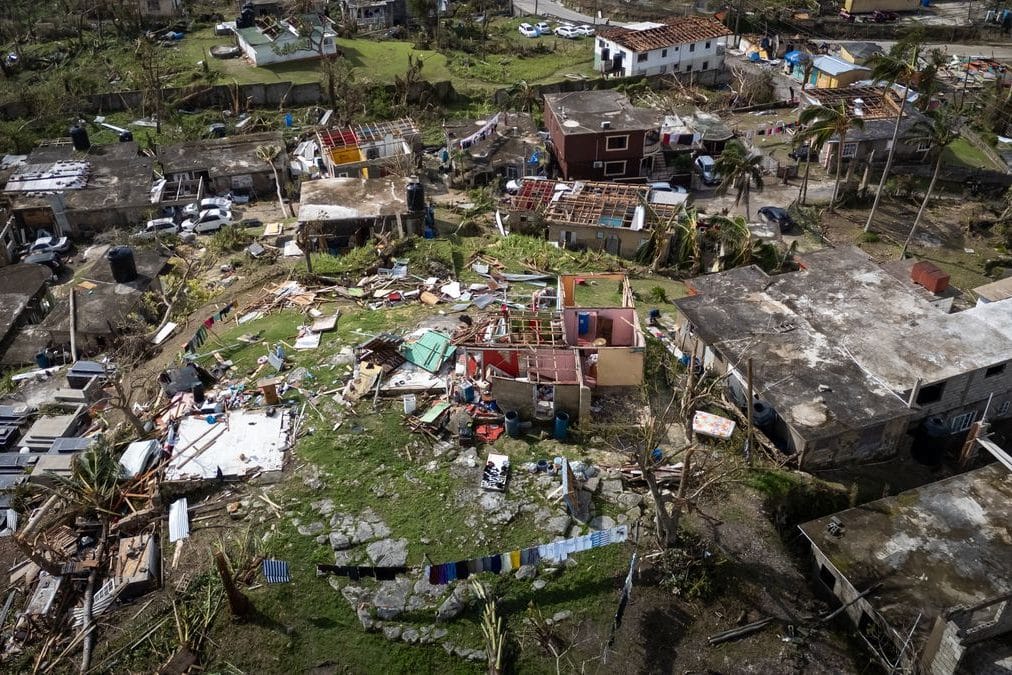
The Atlantic hurricane season is entering the weeks the National Oceanic and Atmospheric Administration (NOAA) identifies as its most active, a period that runs roughly from mid-August through mid-October and includes the climatological peak around September 10. Insurance regulators in several coastal and wildfire-exposed states say the timing has coincided with a fresh round of non-renewal notices and premium increases reaching homeowners this month. The pattern is not new, but agents in Florida, Louisiana and California report the volume of letters has picked up in recent weeks.
Coastal and Wildfire States Under the Most Pressure
The Insurance Information Institute (III), an industry-funded research group, has tracked a multi-year pullback by private insurers from markets it considers high-risk for hurricane, wildfire and severe convective storm losses. State-backed insurers of last resort — including Florida's Citizens Property Insurance Corporation and California's FAIR Plan — have absorbed a growing share of policies as private carriers scale back new business or decline renewals in the most exposed ZIP codes.
Louisiana's Department of Insurance and Florida's Office of Insurance Regulation have both held public hearings this year on rate filings tied to reinsurance costs, which insurers say have climbed as global reinsurers price in a longer, more damaging storm season. Those higher reinsurance costs are typically passed to homeowners at the next renewal cycle.
What Renewal Notices Are Showing
Agents interviewed by trade publications describe two recurring outcomes this renewal season: policies renewing at meaningfully higher premiums, or non-renewal notices that push homeowners toward state-backed plans or the surplus lines market, where coverage tends to cost more and carry fewer consumer protections. Wind and hail deductibles, which are calculated as a percentage of a home's insured value rather than a flat dollar amount, have also drawn complaints from policyholders who say they did not fully understand the exposure until filing a claim.
Some insurers have begun requiring updated roof inspections, wildfire mitigation documentation, or hurricane-rated window and door certification before agreeing to renew a policy, according to filings reviewed by state regulators.
Federal and State Response
The Federal Emergency Management Agency (FEMA) continues to promote its National Flood Insurance Program as a separate purchase from standard homeowners policies, noting that flood damage from tropical systems is excluded from most standard policies regardless of wind coverage status. Several state insurance commissioners have opened comment periods on proposed rules that would require clearer disclosure of mitigation-based discounts, following complaints that many homeowners are unaware fortified roofing or storm shutters can lower premiums.
NOAA's Climate Prediction Center updates its seasonal hurricane outlook through the fall, and its August advisories are watched closely by insurers setting reserve levels for the remainder of the season, which formally runs through November 30.