Vornado Recalls 255,000 Space Heaters Over Fire Risk — Check Yours Before Fall
The CPSC's June recall of 255,000 Vornado SRTH tower heaters is still active as cooler weather brings the units back out of storage nationwide.
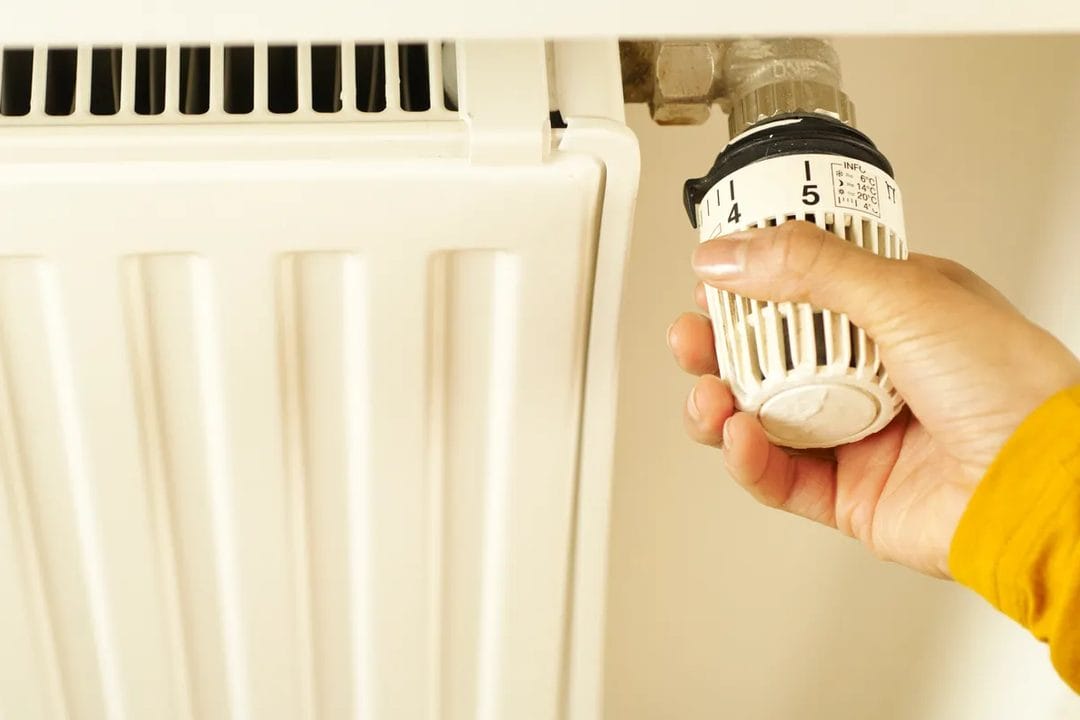
The Consumer Product Safety Commission's June recall of 255,000 Vornado SRTH Small Room Tower Heaters is still active, and the timing matters more now than it did over the summer. As overnight temperatures begin dropping across much of the country in late August and early September, many of the recalled units — sold nationwide for over a decade, from Costco to Amazon — are likely still sitting in closets, garages and basements, waiting to be plugged back in for the season.
The recall itself is nearly three months old. What has changed is the calendar: a unit that hasn't run since March is exactly the kind of appliance that gets pulled out again without a second look once the first chilly morning arrives, and a June recall notice is easy to have missed if the heater wasn't in use at the time.
What CPSC says is wrong with the heater
Recall number 26-532, announced by the CPSC on June 4, 2026, covers Vornado Air, LLC's SRTH Small Room Tower Heater. According to the recall notice, the unit's fan blade can detach from the motor shaft. That causes a slow or stopped fan condition, which in turn leads to overheating and melting of the plastic enclosure and internal components. If the heater's thermal cutoff or fuse doesn't activate quickly enough, the melted material can ignite and breach the housing — a failure mode the agency classifies as a fire hazard rather than a simple malfunction.
Vornado, based in Andover, Kansas, told the CPSC it had received 32 reports of overheating tied to the detached fan blade. Eight of those reports involved fire, and one involved smoke inhalation. No deaths or burn injuries have been reported to date. The recall does not cover Vornado's other current heater lines; it applies specifically to units bearing the SRTH type designation described below.
Identifying an affected unit
The recalled heaters were made between June 2013 and August 2022 and sold in black or white. Each one stands about 12.5 inches tall and 6 inches in diameter, with two heat settings — low and high — plus a fan-only, no-heat option. A stylized "V" appears alongside the Vornado name on the front of the unit. The model designation, "TYPE SRTH," is printed on a silver rating label on the bottom, next to the date code and serial number needed for the refund process.
- Sold at Costco between August 2013 and January 2017
- Also sold at Kohl's, Bed Bath & Beyond and Ace Hardware, and online at Vornado.com and Amazon.com, from August 2013 through May 2026
- Retail price ran between $40 and $50, depending on the retailer and the year
- No other Vornado models are included in this particular recall, though the company has separate recall history described below
How to get the refund
CPSC and Vornado are directing owners not to return the heater to the store where it was purchased. Instead, consumers should stop using the unit immediately, go to Vornado.com, click "Product Recalls" in the site's navigation, and register the heater using the TYPE, date code and serial number from the bottom label. The process requires submitting photos of the unit along with proof that it has been destroyed, after which Vornado issues a full refund of $49.99 — roughly the full retail price the heater sold for when new.
Consumers without internet access, or who run into trouble with the online form, can call the Vornado Recall Team toll-free at 888-240-2768, Monday through Friday, 8 a.m. to 5 p.m. ET.
Not Vornado's first heater recall
This is the second Vornado heater recall in under two years. The company pulled its VH2 Whole Room Heater from the market in January 2025. And in 2022, Vornado agreed to pay the CPSC a $7.5 million civil penalty for failing to promptly report a defect in its VH101 Personal Vortex heater — a case that followed a 2018 house fire in Minnesota linked to that model. The penalty was one of the larger civil settlements the agency has secured over a single product line in recent years, and it came with an explicit finding that the company knew about the hazard well before it notified regulators.
None of that history changes what an SRTH owner needs to do this week. But it does mean the company has now been through this process — reporting requirements, refund logistics, customer outreach — twice before, which is part of why the current recall runs through a self-service online portal rather than a mail-in form or a store return.
Why the season changes the risk
Space heater fires cluster heavily in the colder months, which is exactly when a recalled unit that's been idle since spring is most likely to get plugged back in without a second look. NFPA's most recent analysis, covering 2019 through 2023 and published in January 2025, found that U.S. fire departments respond to an estimated annual average of 38,881 home heating equipment fires. Those fires cause 432 civilian deaths, 1,352 injuries and $1.1 billion in property damage every year. Space heaters and heating stoves are involved in nearly 29% of them, and 46% of all home heating equipment fires happen between December and February — the stretch when portable heaters see the heaviest use nationwide.
That timing gap is part of what makes recalls like this one hard to resolve quickly. A heater bought at Costco in 2015 and stored away every spring for a decade doesn't get much attention until the first cold snap sends someone digging through a hall closet, and by then the June recall notice is three, four or five months old — long enough to have scrolled past in an inbox or a local news segment that aired once and moved on.
Checking any space heater before its first use this fall
CPSC's general guidance for portable heaters — recalled or not — covers a short list of habits that account for most of the difference between a heater that runs safely all winter and one that starts a fire.
- Keep at least 3 feet of clearance between any heater and anything that can burn, including furniture, curtains and bedding
- Plug the heater directly into a wall outlet; extension cords and power strips are not rated for the load and can overheat themselves
- Never leave a heater running unattended or overnight, even models with automatic shutoff features
- Favor units with a tip-over switch and a thermal cutoff built in, and confirm both still function before the first use of the season — a heater that sat in a damp garage all summer is worth testing on a tile floor, not carpet, the first time it's switched back on
Homeowners who bought a Vornado tower heater sometime in the past decade and can't immediately confirm the model can check the bottom label before plugging it in — a two-minute step that, on an affected unit, is the difference between a working heater and a $49.99 refund claim.
The SRTH recall follows CPSC's furnace and carbon monoxide inspection advisory covering the same first-cold-snap window by only a few days, and comes about a week after Home Depot pulled thousands of Hampton Bay ceiling fans over a separate blade-detachment defect. None of the three cases are mechanically related, but each lands at the same point on the calendar: the week homeowners start switching seasonal equipment back on after months in storage.