Central AC Tune-Up Before Peak Summer 2026: The Maintenance Checklist That Prevents a Mid-July Breakdown
Central AC units almost never fail on a mild day — they fail on the hottest one, when every neighbor's HVAC company is already booked solid. Here's the tune-up checklist that catches the small problems before they become a no-cool emergency.
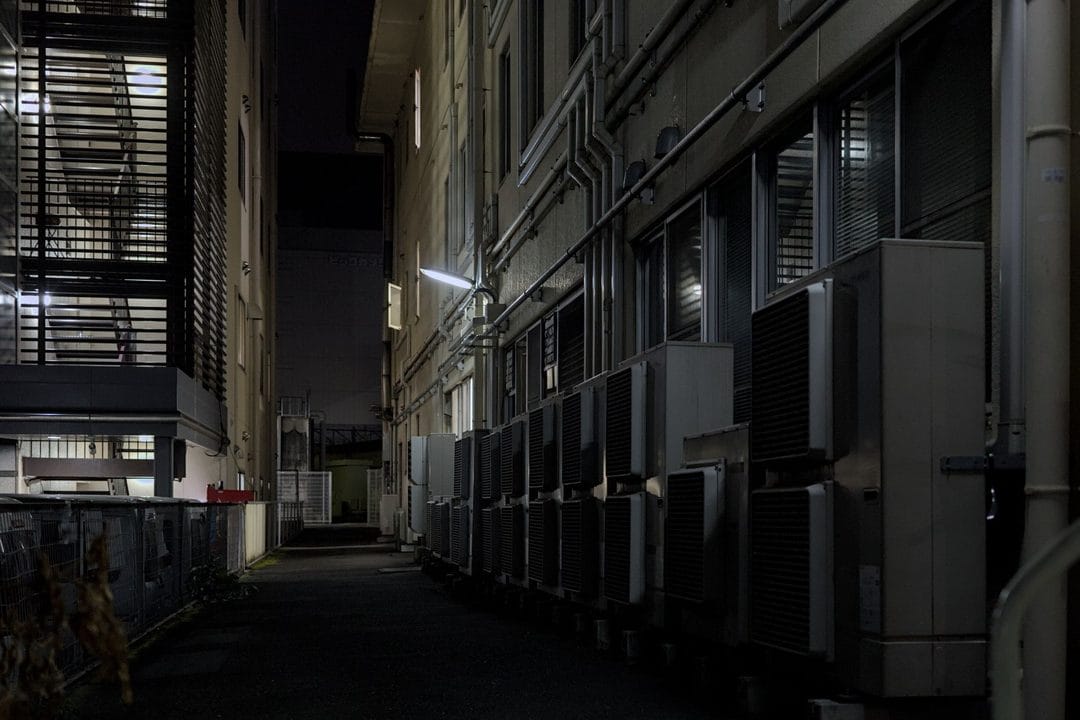
There's a pattern HVAC technicians know well: service calls spike the day after the first heat wave of the season, not before it. A unit that's been quietly struggling all spring — a dirty filter here, a low refrigerant charge there — finally gives out the moment it has to run flat-out for twelve hours straight. By then, every technician in the county is booked a week out, and the family waiting for a callback is doing it in a 90-degree living room.
None of that is inevitable. A central AC tune-up takes most homeowners under an hour for the parts they can do themselves, plus one professional visit for the parts they can't. Doing it in late June or early July, before the real heat sets in, is the difference between a routine maintenance item and an emergency call that costs three times as much.
Why AC units fail on the hottest day, not before
An air conditioner under mild spring conditions — say, outdoor temperatures in the 70s — doesn't have to work very hard to hit a thermostat setpoint. Marginal problems like a slightly dirty coil or a filter that's overdue for a change barely show up in performance. Once outdoor temps push past 95°F and the system has to run for hours without much of a break, those same marginal problems compound: the compressor works harder, runs hotter, and pushes any weak component past its limit. That's why the failure shows up in July, even though the root cause has usually been building since April.
The filter: the single biggest lever a homeowner has
A clogged filter restricts airflow across the evaporator coil, and restricted airflow is behind a huge share of the AC problems homeowners call technicians for — frozen coils, weak airflow at the vents, and a compressor working overtime to compensate. Check the filter monthly during peak cooling season and replace it every 60 to 90 days, sooner if there are pets in the house or the home sits near a construction site or dusty road.
A basic fiberglass filter runs $3 to $5 at Home Depot or Lowe's, while a pleated Filtrete filter with a MERV 8 to 11 rating runs $12 to $20 and does a noticeably better job trapping fine dust and pollen without choking airflow the way a high-MERV filter can on a system that isn't designed for it. Skip anything above MERV 13 unless the system's manufacturer specifically rates for it — an overly restrictive filter on a standard residential blower can actually starve the system of airflow and cause the exact freeze-up problem it was supposed to prevent.
How to tell a filter is overdue
- Hold it up to a light source — if light doesn't pass through evenly, it's done
- Vents that used to blow strong now feel weak, even with the fan on the same setting
- The system runs longer cycles than it used to for the same thermostat setting
Outdoor condenser unit: clear the clutter
The outdoor condenser needs at least two feet of clearance on all sides to pull in air properly. Over a spring of growth, it's common for grass clippings, mulch, leaves, and fast-growing shrubs to close in on the unit without anyone noticing. Walk out and check: if a bush has grown into the side of the cabinet or grass clippings from mowing have built up against the fins, clear it back.
The condenser fins themselves — the thin metal ridges wrapping the unit — collect a season's worth of pollen, cottonwood fluff, and dust, which insulates the coil and makes it work harder to reject heat. A gentle rinse with a garden hose, sprayed from the inside out if the panel comes off easily, clears most of this buildup. Skip the pressure washer — the fins bend easily, and bent fins restrict airflow just as much as the dirt did.
The condensate drain line: the part everyone forgets
Central AC systems pull a surprising amount of moisture out of the air, and that water has to go somewhere — usually through a PVC drain line that runs to a floor drain, a drain pan, or outside the house. Algae and mold build up inside that line over a cooling season, and a clogged drain line is one of the most common reasons for water damage near an indoor air handler, especially units installed in an attic or a closet above finished living space.
Flushing the line with a cup of distilled vinegar poured into the access point near the indoor unit, once a month during cooling season, keeps algae growth in check. Homes with a history of clogs benefit from a $10 condensate line safety switch, which shuts the system off automatically if the drain backs up — cheap insurance against a ceiling stain that costs a lot more to fix than the switch itself.
Thermostat and airflow check
Before the real heat arrives, run the system and confirm the temperature difference between the air going into the return vent and the air coming out of a supply vent — a properly working central AC should show a 15°F to 20°F drop between the two. Less than that suggests low refrigerant, a dirty coil, or an airflow restriction; more than that can point to airflow that's too low for the system's capacity, which stresses the compressor over time.
Anyone still running a basic mechanical or non-programmable thermostat should consider that a smart thermostat from Ecobee or Google Nest, typically $130 to $250 installed, pays for itself over a couple of cooling seasons through scheduling and geofencing alone — Energy Star estimates 8% average savings on cooling costs from proper thermostat scheduling versus a fixed setpoint left unattended all day.
The setpoint mistake that costs real money
Cranking the thermostat down to 60°F to cool the house faster doesn't actually speed anything up — the system runs at the same capacity no matter the setpoint, it just runs longer before shutting off, which means the house often ends up colder than intended and the utility bill higher than expected. Setting a reasonable target, around 75°F to 78°F when the home is occupied, keeps both comfort and the electric bill predictable.
When to call a professional instead of DIY
Refrigerant level is not something to check or top off without an EPA-certified technician — it requires specialized equipment, and improperly handled refrigerant is both a legal and environmental issue under EPA Section 608 regulations. If the temperature split across the coil is off, or the system is short-cycling (turning on and off in rapid bursts), that's the signal to call a licensed HVAC contractor rather than keep troubleshooting solo.
A standard professional tune-up — refrigerant check, electrical connection inspection, coil cleaning, and capacitor testing — runs $100 to $200 through most regional providers, and companies like ARS/Rescue Rooter or a local independent contractor typically book faster in May and early June than they do once the first heat wave hits and every unit in the neighborhood decides to fail at once. Many manufacturers, including Trane, Carrier, and Lennox, also require documented annual maintenance to keep the equipment warranty valid — skipping the tune-up isn't just a comfort risk, it can void coverage on a repair that would otherwise be free.
The ten-minute version, for anyone short on time
Swap the filter, hose off the outdoor unit, clear two feet of space around the condenser, and pour a cup of vinegar down the condensate line. That's the bare minimum, and it catches the failure modes responsible for the majority of no-cool emergency calls during a heat wave. It's not a substitute for a professional visit every year or two, but it's the difference between a system that limps through August and one that quietly does its job while everyone else is waiting on a callback.