Cutting your summer cooling bill in 2026: the AC habits that actually move the needle (and the upgrades that don't)
Before you spend money on a new system, change the habits that quietly run your bill up. Here's what actually lowers cooling costs and what's mostly marketing.
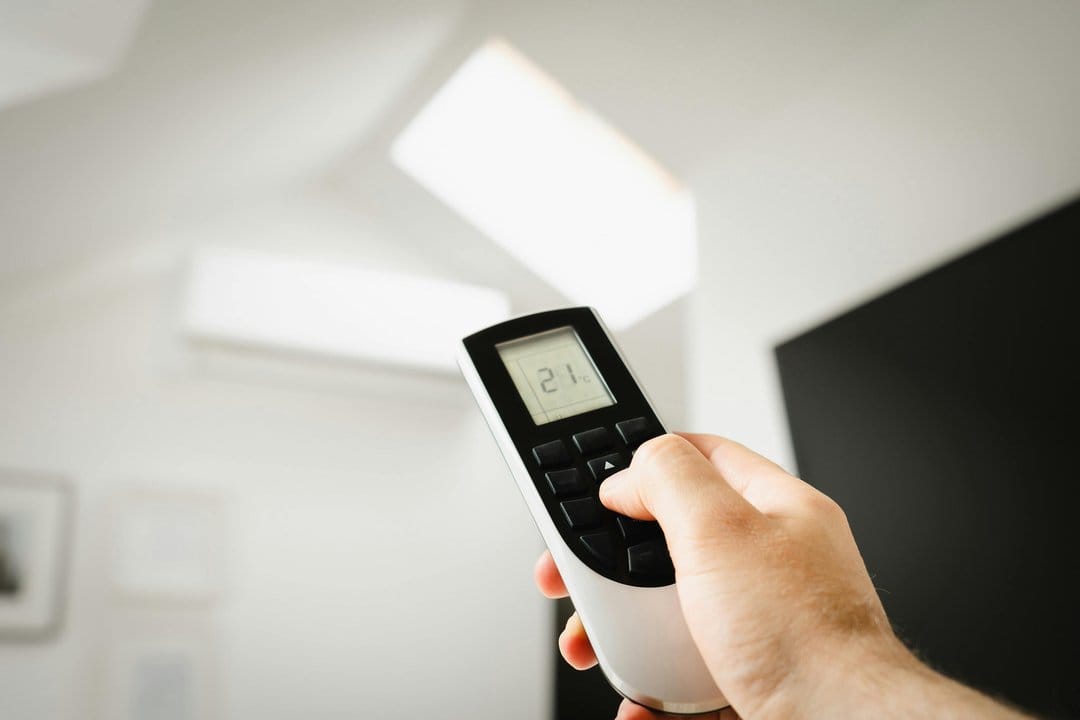
Every summer the same envelope shows up: the electric bill that doubled the moment the air conditioning kicked on. Before you start pricing out a new system or a fancy smart gadget, it's worth knowing that most of the savings hide in how you run what you already own. The habits are free. The upgrades are where you want to be choosy.
The thermostat is where the money lives
The single biggest lever is the temperature you set and how long you hold it. A common myth is that cranking the thermostat way down cools the house faster. It doesn't. Your AC cools at the same rate whether you set it to 68 or 78 — you just make it run longer and harder to reach the lower number, and then it fights to hold it.
The Department of Energy's long-standing guidance still holds up: aim for around 78°F when you're home and awake, and let it drift up several degrees when you're out or asleep. Every degree you raise the setting in summer trims a meaningful slice off cooling costs. If that sounds warm, this is exactly where a fan changes the math.
Fans cool people, not rooms
A ceiling or box fan doesn't lower the air temperature — it moves air across your skin so sweat evaporates and you feel cooler. That lets you raise the thermostat a few degrees without noticing, which is real money saved. The flip side: running a fan in an empty room does nothing but add to the bill. If no one's in the room, shut it off.
The boring maintenance that pays
Two unglamorous habits do more than most gadgets.
- Change the air filter. A clogged filter chokes airflow and forces the system to run longer for less cooling. Check it monthly in heavy-use season and swap it when it looks gray. A $10 filter protects a system worth thousands.
- Keep the outdoor unit clear. That condenser outside needs to dump heat. Trim back shrubs, pull the weeds growing through it, and hose off the grass clippings and pollen. A unit smothered in debris works harder for the same result.
If your system is more than a few years past its last professional check, a tune-up before peak season catches low refrigerant and failing parts while they're cheap to fix — not in August when every HVAC company in town is booked solid.
Stop the heat before it gets in
It's far easier to keep heat out than to remove it later. South- and west-facing windows take a beating from afternoon sun, and that heat pours straight through the glass. Close blinds or curtains on the sunny side during the day, and you'll take a real load off the AC. Cellular (honeycomb) shades and even cheap blackout curtains help noticeably.
While you're at it, find the air leaks. Gaps around doors, windows, and the attic hatch let your cooled air escape and hot air sneak in. A few dollars of weatherstripping and a tube of caulk seal the obvious culprits. Sealing leaky ducts in an unconditioned attic or crawlspace is one of the higher-payback fixes most homeowners never get to.
The upgrades worth it — and the ones that aren't
Not every product that promises savings delivers. Here's the honest split.
Worth considering: A programmable or smart thermostat genuinely helps if you'll actually use the scheduling — it does the "turn it up when you leave" discipline for you. Added attic insulation and air sealing have some of the best long-term returns of any home upgrade. If your AC is 15-plus years old and breaking down, a modern high-efficiency unit will cut consumption, and federal and utility rebates available in 2026 can soften the upfront cost.
Mostly hype: Gadgets that claim to "save 40% on any AC" by plugging into an outlet. Portable single-hose AC units sold as whole-room miracles — they're inefficient and vent a surprising amount of the cool air they make. And replacing a perfectly good system just to chase a slightly better efficiency rating rarely pays back before the new unit itself ages out.
The five-minute version
If you do nothing else: nudge the thermostat up to 78 and let it rise when you're away, run fans only in occupied rooms, change the filter, clear the outdoor unit, and close the blinds on the sunny side. None of that costs more than a filter and a little attention — and together it's almost always a bigger dent in the bill than the expensive upgrade you were about to buy.