Hard Water Is Quietly Wrecking Your Appliances: How to Test for It and Whether a Softener Is Worth It in 2026
Spotty dishes and a water heater that dies early are not bad luck — they are hard water. Here is how to test yours and decide if a softener pays off.
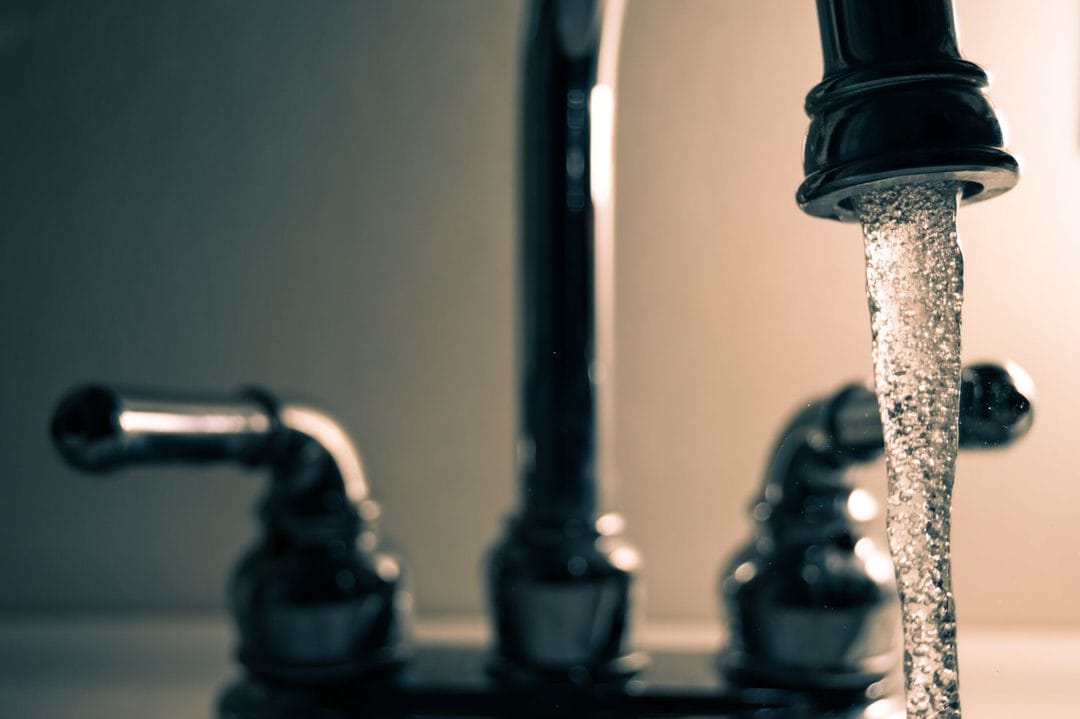
If your glasses come out of the dishwasher with a chalky film, your showerhead spits in three directions, and the water heater you installed eight years ago is already on its way out, you do not have a streak of bad luck. You almost certainly have hard water, and it has been working against your house the whole time.
Roughly 85 percent of American homes have hard water to some degree, according to the US Geological Survey, and most homeowners never test for it until something breaks. The mineral content does not make the water unsafe to drink — calcium and magnesium are the same minerals you pay for in bottled water. The problem is what those minerals do as the water heats, evaporates, and runs through pipe after pipe for years.
What hard water actually costs you
Hardness is measured in grains per gallon (gpg) or in parts per million (ppm). Anything above about 7 gpg is considered hard, and a lot of the Southwest, the Midwest, and Texas runs well into the teens. Phoenix, San Antonio, Indianapolis, and large parts of Florida sit at the high end. Where it gets expensive is heat.
When hard water is heated, the dissolved calcium drops out of solution and bonds to whatever surface it touches — the inside of your water heater tank, the heating element of your dishwasher, the tiny passages in a tankless unit. That layer of scale acts like an insulating blanket. The Department of Energy has estimated that even a thin scale buildup can cut a water heater's efficiency by 25 to 30 percent, which shows up directly on your gas or electric bill. Worse, a gas water heater scaling up at the bottom can overheat the steel and fail years early. A tank that should last 10 to 12 years can give out at six or seven.
Then there is everything you can see and feel:
- Soap and shampoo that will not lather, so you use twice as much
- Stiff, scratchy laundry and towels, because detergent binds to minerals instead of cleaning
- White crust on faucets, showerheads, and the rim of the toilet tank
- Dry, itchy skin and dull hair that no amount of conditioner fully fixes
- Spotted dishes no rinse aid can completely beat — the minerals are in the water, not on the dish
None of these is an emergency on its own. Stacked together over a decade, they quietly add up to higher bills, shorter appliance life, and a lot of wasted detergent.
Test before you spend a dollar
Do not buy anything until you know your number. There is no point installing a $1,500 system to solve a problem you do not have, and there is no point ignoring 15-grain water either.
The cheapest route is a test strip kit from Home Depot or Lowe's — a box runs about $8 to $15, and you dip a strip, wait, and read the color against the chart. It will tell you roughly how hard your water is in minutes. If you are on a private well, spend a little more on a mail-in lab test (around $30 to $60) because well water can also carry iron, manganese, and sulfur that change which treatment you actually need.
One detail people miss: if you are on city water, your municipal utility publishes an annual water quality report, and it usually lists hardness. A quick call or a look at the utility website can hand you the number for free before you even buy a strip.
Softener, conditioner, or filter — they are not the same thing
This is where the marketing gets slippery, so it is worth being blunt about the three categories.
Ion-exchange softeners (the real thing)
A traditional salt-based softener runs your water through a resin tank that swaps the calcium and magnesium for sodium. This is the only type that genuinely removes hardness, and it is what you want if your goal is protecting appliances and getting that slick, soft-water feel. You refill it with softener salt — a 40-pound bag from Morton or Diamond Crystal costs about $7 to $12, and a typical family of four goes through one or two bags a month. Expect $20 to $40 a year in salt for most households, plus a small amount of water used during the regeneration cycle.
For installation, a basic unit costs $500 to $1,500 for the equipment, and professional installation adds $300 to $1,000 depending on whether a plumber has to run a drain line and tie into your main. If you are handy and your plumbing is accessible, a DIY install is realistic for the price of the unit alone.
Salt-free "conditioners"
These do not remove minerals. They use a process (template-assisted crystallization) that changes the structure of the calcium so it is less likely to stick as scale. The honest version: they can reduce scale buildup in pipes and heaters, which is real and useful, but they will not give you soft, slippery water and they will not stop spotting on dishes. If your only concern is protecting a tankless heater and you do not want to deal with salt, a conditioner is a reasonable call. If you want the full soft-water experience, it will disappoint you.
Whole-house filters
A sediment or carbon filter improves taste, removes chlorine, and catches grit, but it does nothing for hardness. Plenty of homes need both a filter and a softener. Do not let a salesperson sell you a filter as a hardness fix — that is the most common bait-and-switch in this business.
So is a softener worth it?
Here is my straight answer: if your water tests above 10 grains and you plan to stay in the house more than a few years, a salt-based softener pays for itself. You will buy less detergent and shampoo, your water heater and dishwasher will last closer to their rated lifespan, and the efficiency gain alone can offset a chunk of the salt cost. The math gets even better if you are on the verge of replacing a scaled-up water heater anyway — softening the new one protects the investment from day one.
The catch worth knowing: softened water has added sodium, which matters if you are on a strict low-sodium diet or you want unsoftened water at the kitchen tap. The standard workaround is to plumb the cold line to the kitchen sink and outdoor spigots before the softener, so your drinking water and garden water stay untreated. A good installer will ask about this — if yours does not, bring it up.
Below about 7 grains, do not bother. You will spend money and lug salt bags for a difference you can barely feel. Test first, get your actual number, and let it make the decision for you. A chalky drinking glass is annoying. A water heater that quits at year six because nobody checked is the expensive version of the same problem.
Living with a softener once it is in
A softener is not a set-it-and-forget-it box, but the upkeep is light. Most units have a brine tank you top up with salt, and the job is checking the salt level once a month and pouring in a bag when it drops below the halfway mark. If you let it run dry, hard water slips through untreated and you will notice the chalky film come back within a few days — that is usually the first sign something is off. Every few years the resin bed benefits from a cleaner made for softeners, especially if your water carries iron, which can foul the resin and leave it working at half strength.
Two upkeep details save people money over the long haul. First, look at how your unit decides to regenerate. Cheaper timer-based models flush on a fixed schedule whether you used much water or not, which wastes both salt and water; a metered or demand-initiated softener only regenerates after it has actually treated a set volume, and over a year that difference is real. Second, if your softener sits in an unheated garage, watch it in a cold snap — the brine line can freeze and the unit stops softening until it thaws.
One last reality check before you commit: a softener needs a drain nearby for the regeneration discharge and a power outlet for the control head, and it takes up roughly the footprint of two stacked five-gallon buckets. If your water main enters in a finished, tight space, the install gets more involved and that is where a plumber earns the labor cost. Measure the spot before you buy, not after the box arrives on your driveway.