How to Insulate Your Attic the Right Way and Cut Energy Bills by 30%
Your attic could be costing you hundreds of dollars a year in wasted energy. Here's how to choose the right insulation type, R-value, and installation method for your climate zone.
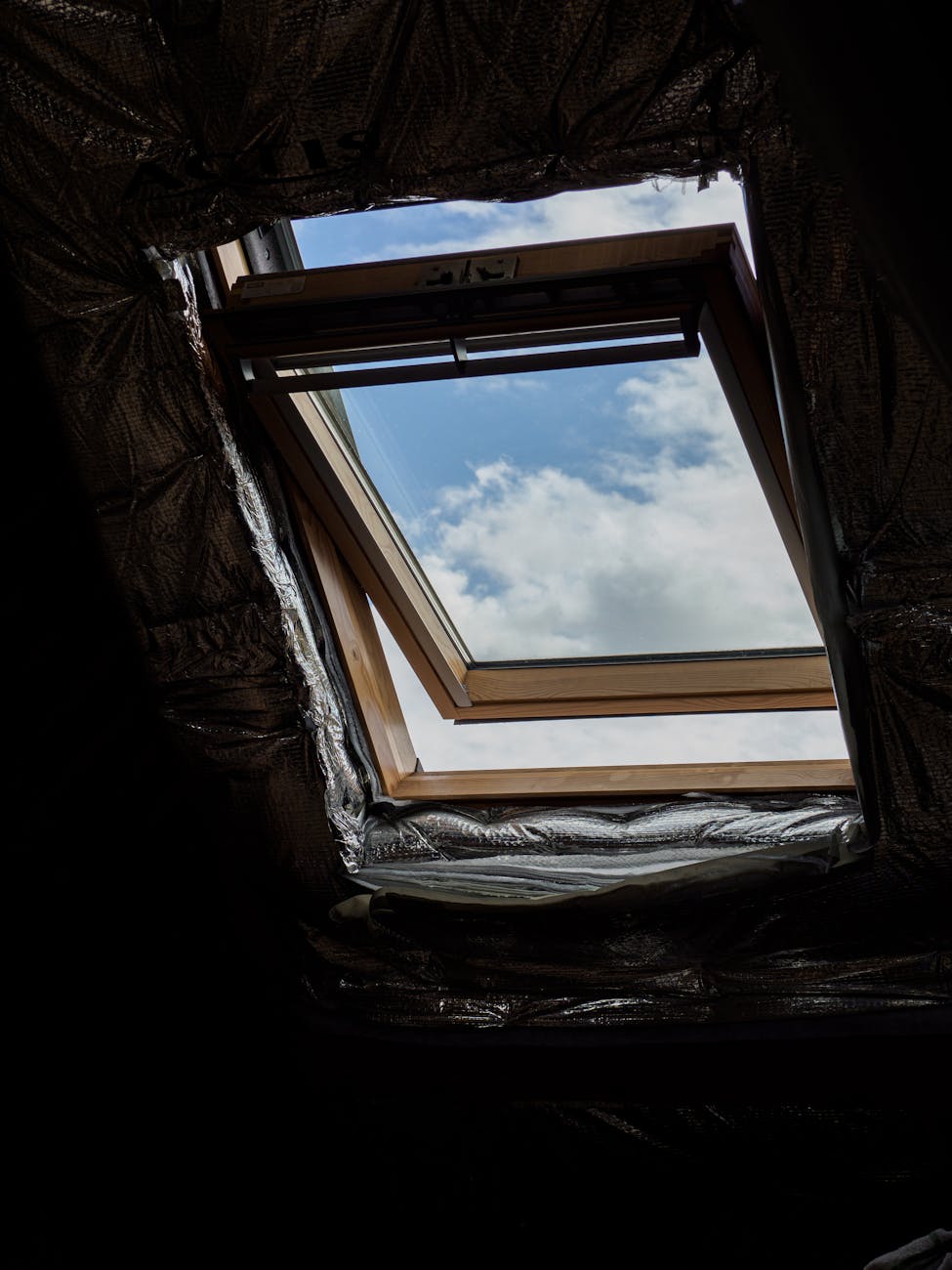
Why your attic is the biggest energy leak in your home
Heat rises — and when your attic lacks proper insulation, it escapes straight through the roof. The Department of Energy estimates that 25 to 30 percent of heating and cooling energy in a typical American home is lost through the attic. That translates to $200 to $600 a year in wasted utility bills, depending on where you live and how old your home is.
The good news? Attic insulation is one of the highest-ROI home improvements you can make. Most projects pay for themselves within two to four years, and many utility companies offer rebates that cover 30 to 50 percent of the cost. Let's walk through everything you need to know to get it done right.
Understanding R-value: how much insulation do you actually need?
R-value measures thermal resistance — the higher the number, the better the material blocks heat transfer. The amount you need depends on your climate zone. The International Energy Conservation Code (IECC) sets minimum requirements that most local building codes follow.
Recommended R-values by climate zone
- Zones 1–2 (South Florida, Gulf Coast, Hawaii) — R-30 to R-49
- Zone 3 (Southeast, parts of California, Arizona) — R-30 to R-60
- Zone 4 (Mid-Atlantic, Pacific Northwest) — R-38 to R-60
- Zones 5–8 (Midwest, Northeast, Mountain states, Alaska) — R-49 to R-60
Check your existing insulation depth. If you can see the tops of your floor joists in the attic, you almost certainly need more. Fiberglass batts compress over time, so even if you added insulation a decade ago, it may have lost 10 to 20 percent of its original R-value.
Three insulation types compared: batts, blown-in, and spray foam
Fiberglass batts
These are the pink or yellow rolls you'll find at Home Depot and Lowe's. They're the most affordable option and easy to install yourself if you have a standard joist layout without too many obstructions.
- R-value per inch: R-3.0 to R-3.8
- Cost: $0.50 to $1.50 per square foot (materials only)
- Pros: Cheapest upfront, available everywhere, no special equipment needed
- Cons: Gaps around pipes and wiring reduce effectiveness, compresses over time, difficult in irregular spaces
Blown-in cellulose or fiberglass
A machine blows loose insulation material into your attic space, filling every gap and cavity. This is the most popular professional option and delivers consistently better performance than batts because it eliminates air gaps.
- R-value per inch: R-3.2 to R-3.8 (cellulose) or R-2.2 to R-2.7 (fiberglass)
- Cost: $1.00 to $2.50 per square foot (installed)
- Pros: Fills irregular spaces, excellent coverage, some big-box stores rent blowing machines for free with purchase
- Cons: Can settle 10–15% over time, cellulose absorbs moisture if attic ventilation is poor
Home Depot and Lowe's both offer free blower rental when you buy 20 or more bags of Owens Corning or GreenFiber insulation — typically $600 to $900 in materials for a 1,000-square-foot attic.
Spray foam (open-cell and closed-cell)
Spray foam is the premium option. Closed-cell foam delivers the highest R-value per inch and doubles as an air and moisture barrier. Open-cell is cheaper but offers lower R-value.
- R-value per inch: R-3.5 to R-3.7 (open-cell) or R-6.0 to R-7.0 (closed-cell)
- Cost: $1.50 to $3.50 per square foot (open-cell) or $3.00 to $7.00 per square foot (closed-cell, installed)
- Pros: Highest performance, seals air leaks, doesn't settle or compress
- Cons: Expensive, requires professional installation, off-gassing during application requires vacating the home for 24 hours
DIY vs. professional installation: when to hire a pro
Laying fiberglass batts in an accessible attic with standard joist spacing is a solid weekend DIY project. You'll need a utility knife, straightedge, safety glasses, gloves, and an N95 respirator. Budget four to eight hours for a 1,000-square-foot attic.
Hire a professional when:
- Your attic has limited headroom, HVAC ducts, or knob-and-tube wiring
- You want blown-in insulation and don't feel comfortable operating the machine
- You're considering spray foam — this should always be professionally applied
- Your home was built before 1980 and may contain asbestos in existing insulation
Professional installation for a 1,000-square-foot attic typically runs $1,500 to $3,500 for blown-in cellulose or $3,000 to $7,000 for closed-cell spray foam. Get at least three quotes — prices vary significantly between contractors.
Step-by-step: adding blown-in insulation yourself
Blown-in insulation offers the best balance of cost and performance for most homeowners. Here's how to do it right.
Preparation
- Seal all air leaks first — around plumbing stacks, electrical boxes, recessed lights, and the attic hatch. Use fire-rated caulk and expanding foam. This step alone can cut heat loss by 15 percent.
- Install baffles (also called rafter vents) at every soffit to maintain airflow from the eaves to the ridge vent. A pack of 50 baffles costs about $35 at Home Depot.
- Build a dam around the attic hatch using rigid foam board to keep insulation from falling into the stairway.
- Mark the target depth on several joists with a permanent marker so you know when you've reached the right thickness.
Blowing the insulation
- Start at the far end of the attic and work toward the access point
- Keep the hose nozzle about 3 feet from the surface and move it slowly in a sweeping pattern
- Fill to your marked depth — for R-49 with cellulose, that's about 14 to 15 inches
- Don't pack it down — loose-fill insulation works by trapping air, and compressing it reduces its R-value
Rebates and tax credits that lower your cost
The Inflation Reduction Act's 25C tax credit covers 30 percent of insulation costs up to $1,200 per year through 2032. That means a $3,000 professional installation could cost you just $2,100 after the federal credit.
State and utility rebates stack on top of that. Examples for 2026:
- Con Edison (New York) — up to $1,000 rebate for attic insulation
- ComEd (Illinois) — $0.35 per square foot rebate on blown-in insulation
- Duke Energy (Southeast) — up to $400 rebate through their Home Energy Improvement program
- Pacific Gas & Electric (California) — up to $800 for whole-home insulation upgrades
Check the ENERGY STAR rebate finder at energystar.gov/rebate-finder or call your utility company to confirm current offers before starting your project.
Common mistakes that reduce insulation performance
- Skipping air sealing. Insulation slows heat transfer, but air leaks bypass it entirely. Always seal gaps before adding insulation — this is the most overlooked step.
- Blocking soffit vents. Insulation that covers your soffit openings traps moisture and can lead to mold and ice dams. Install baffles first.
- Insulating over recessed lights that aren't IC-rated. Non-IC-rated fixtures can overheat when covered with insulation, creating a fire hazard. Replace them with IC-rated LED fixtures ($8 to $15 each at Lowe's) before insulating.
- Ignoring the attic hatch. An uninsulated attic access door is like leaving a window open. Add a weatherstrip seal and glue a piece of rigid foam board (R-10 minimum) to the back of the hatch.
- Using the wrong vapor barrier placement. In cold climates (zones 5–8), the vapor retarder faces the warm side (down, toward the living space). In hot-humid climates (zones 1–2), it faces outward or is omitted entirely. Getting this wrong traps moisture and causes mold.
How to know it's working
After insulating, monitor your energy bills for the next two billing cycles. Most homeowners see a 15 to 30 percent reduction in heating and cooling costs. You can also use an infrared thermometer ($25 to $50 at Home Depot) to scan your ceilings — consistent temperatures across the surface mean the insulation is performing well. Hot or cold spots indicate gaps that need attention.
If your home has a smart thermostat like the Ecobee Premium or Google Nest Learning Thermostat, check its energy reports. You should notice shorter HVAC run times and more stable indoor temperatures within the first week.